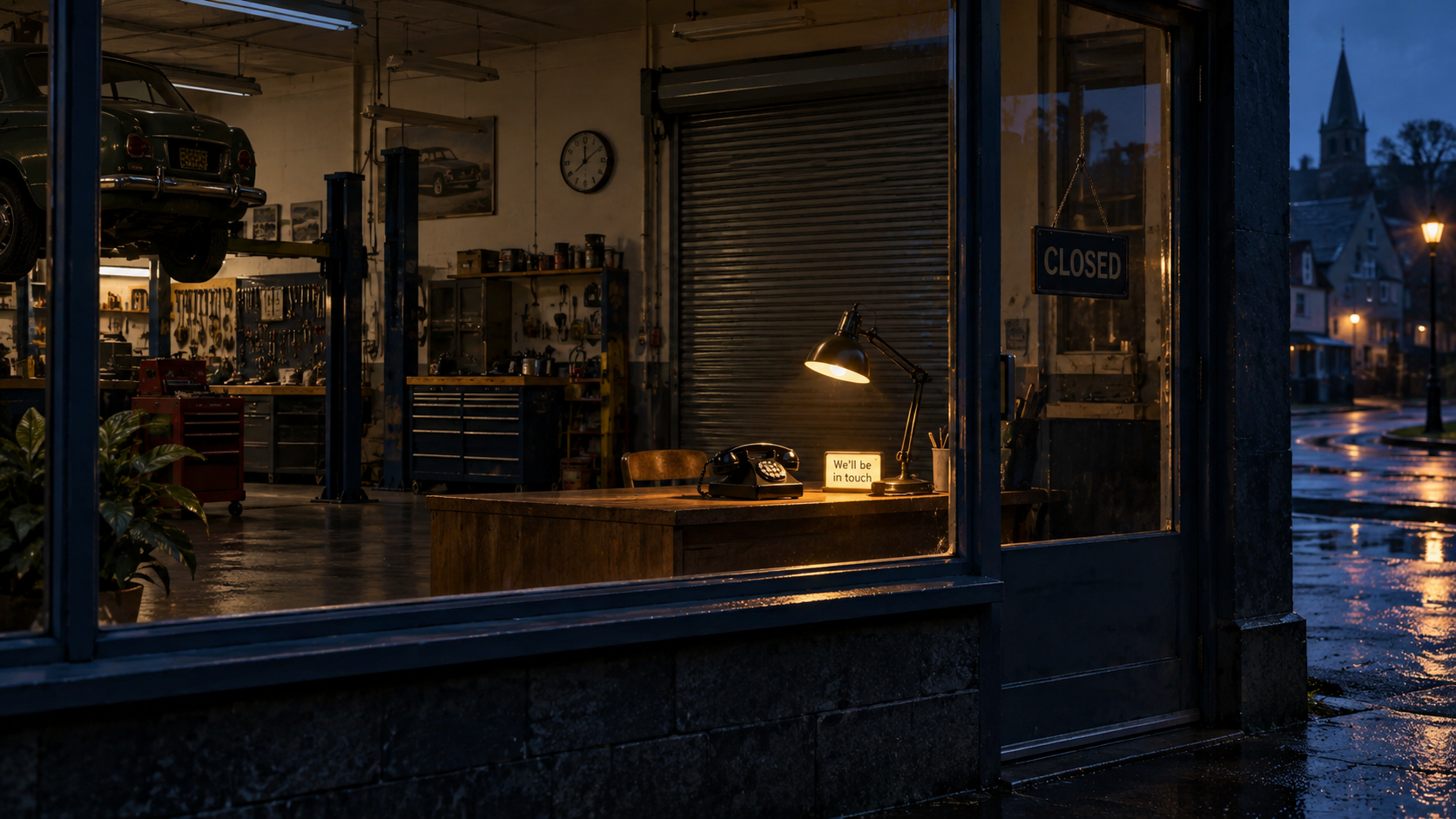
The campaign was open. The workshop was not.
An after-hours enquiry is fine when the invitation explains the wait. An imaginary emergency desk is a rather different offer, however tidy the account looks.
About the author
I'm Jack. I work in PPC, and I have an unreasonable fondness for businesses that can explain what they do without drawing a triangle.
Small Campaigns is my notebook for the practical end of advertising: specialist services, awkward product questions, modest budgets and people who need the phone to ring for a sensible reason. If you came here for an inspirational account of exponential growth, you may want to make a cup of tea and lower your expectations slightly.
I like a small campaign with an understandable job. Find the people who need this repair. Explain what the service covers. Give them a useful way to ask. Let the business do work it can actually deliver. That can require plenty of care without requiring a small empire of campaign names.
My favourite part of a review usually happens away from the screen. A product colleague points at a photograph and explains which feature matters. Someone at the desk describes the question callers keep asking. A person doing the visits mentions the day when the equipment is available. Suddenly the account has a much clearer job.
I keep those details in a notebook because they are easy to lose when a meeting returns to totals.
A search phrase with a specific problem in it. A product page that explains the difference between two nearly identical parts. A form that asks for the photograph somebody actually needs. A confirmation telling the customer what happens next.
Also, the strange setting everyone wants to remove before asking why it exists. That one tends to have a story attached.
I'm less interested in activity performed for the benefit of a report. Renaming thirty things can be useful housekeeping. It doesn't automatically mean thirty useful improvements happened. I want to know which customer decision became easier and which business problem we're examining.
I have to remind myself of this too. Give me a fresh spreadsheet and I can happily spend an afternoon organising something that needed one sentence. Nobody is immune to professional faff.
My working habit is to write the question before choosing the change. Not a manifesto. A question. What are we trying to help a suitable visitor understand or do? What would tell us we are getting somewhere? When will we look again?
If the answer needs a product specialist, I ask the specialist. I don't want a marketing page casually guessing what fits an unusual installation. Good copy can explain the boundary of the information and help the customer bring a better question.
I write the way I talk when a complicated plan has survived one meeting too many. There will be opinions, workshop examples and the occasional swearword. Complexity that earns its place is welcome. Complexity that mainly makes the diagram impressive will get a raised eyebrow.
The businesses I like thinking about have ordinary constraints: opening hours, travel time, stock, a limited number of people who know the technical answer. Those constraints deserve a place in the campaign. They are not embarrassing details to hide until after somebody submits a form.
I want the enquiry to arrive with enough context for a useful reply. I want the colleague receiving it to understand the promise the page made. I want the customer to feel that the next step resembles the one they were invited to take.
Sometimes that takes a careful account change. Sometimes it takes correcting a bloody button label.
Either is worth writing about if it makes the small campaign work better.
An after-hours enquiry is fine when the invitation explains the wait. An imaginary emergency desk is a rather different offer, however tidy the account looks.
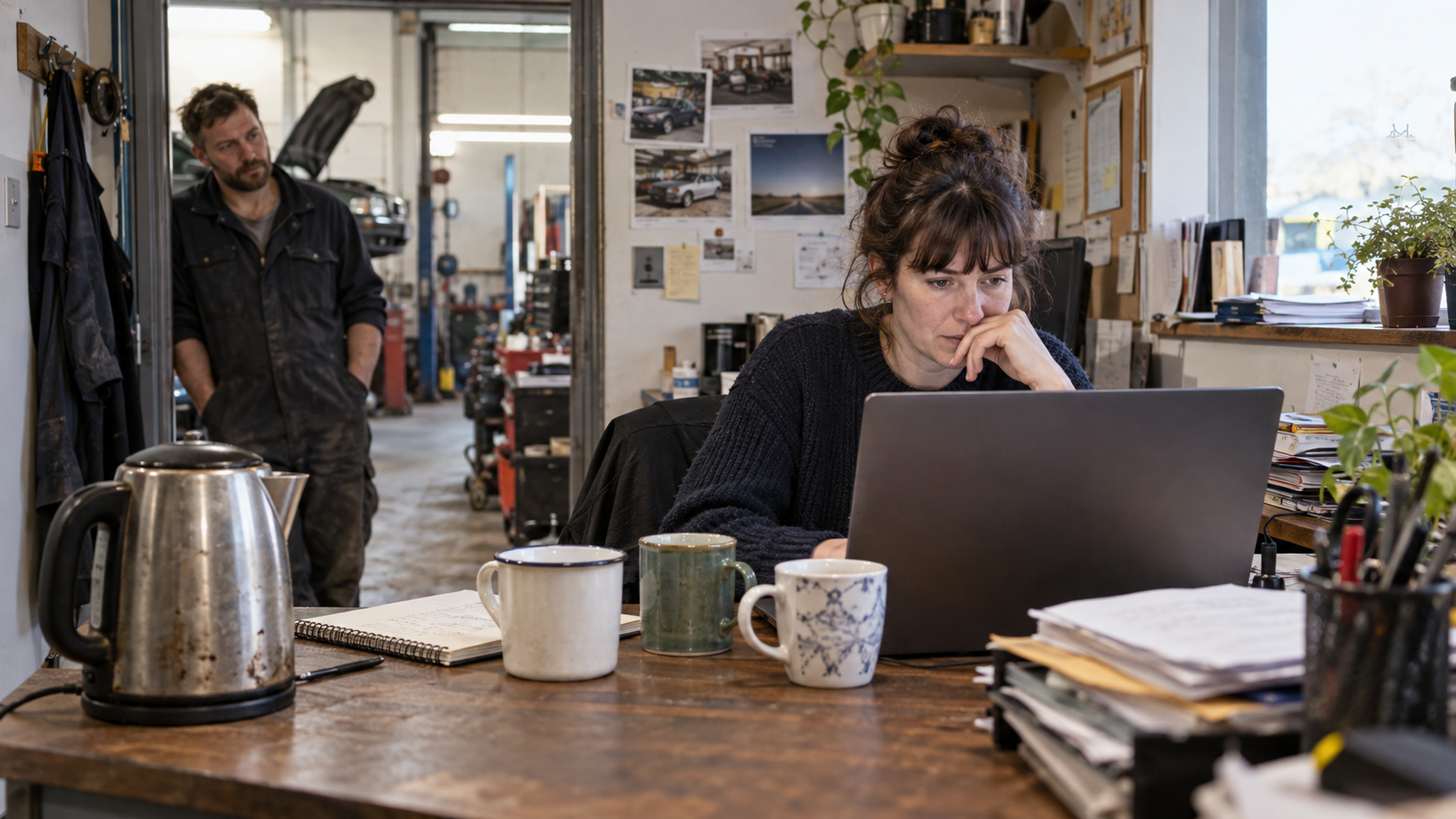
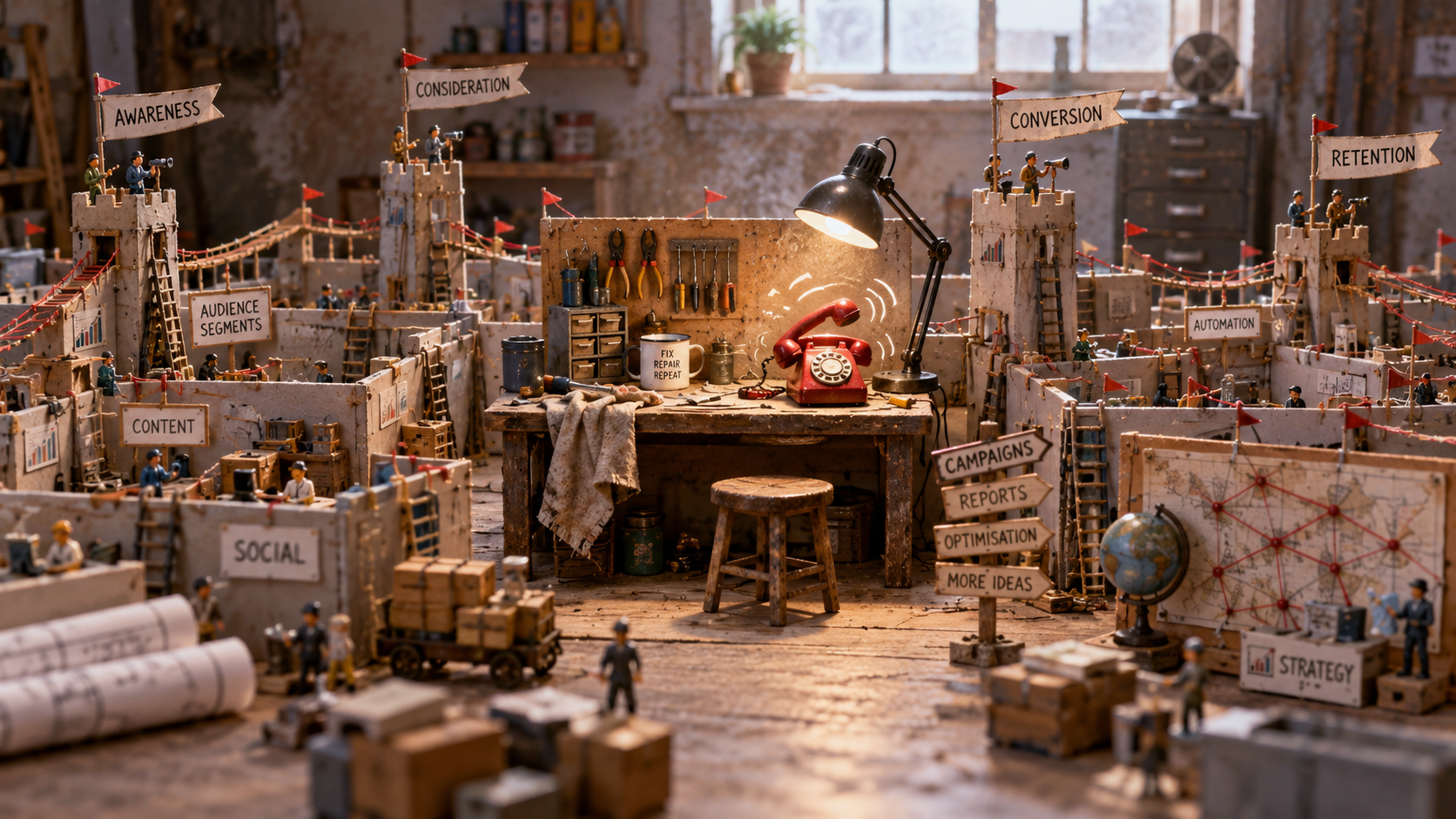
Set the scene in a small repair workshop. The kettle clicks off. Someone has put a screwdriver beside the biscuits. Across the desk, a media buyer opens a proposal containing more campaign divisions than the
A small specialist business needs a few useful enquiries. Somehow we keep responding with enough campaign machinery to invade a continent.
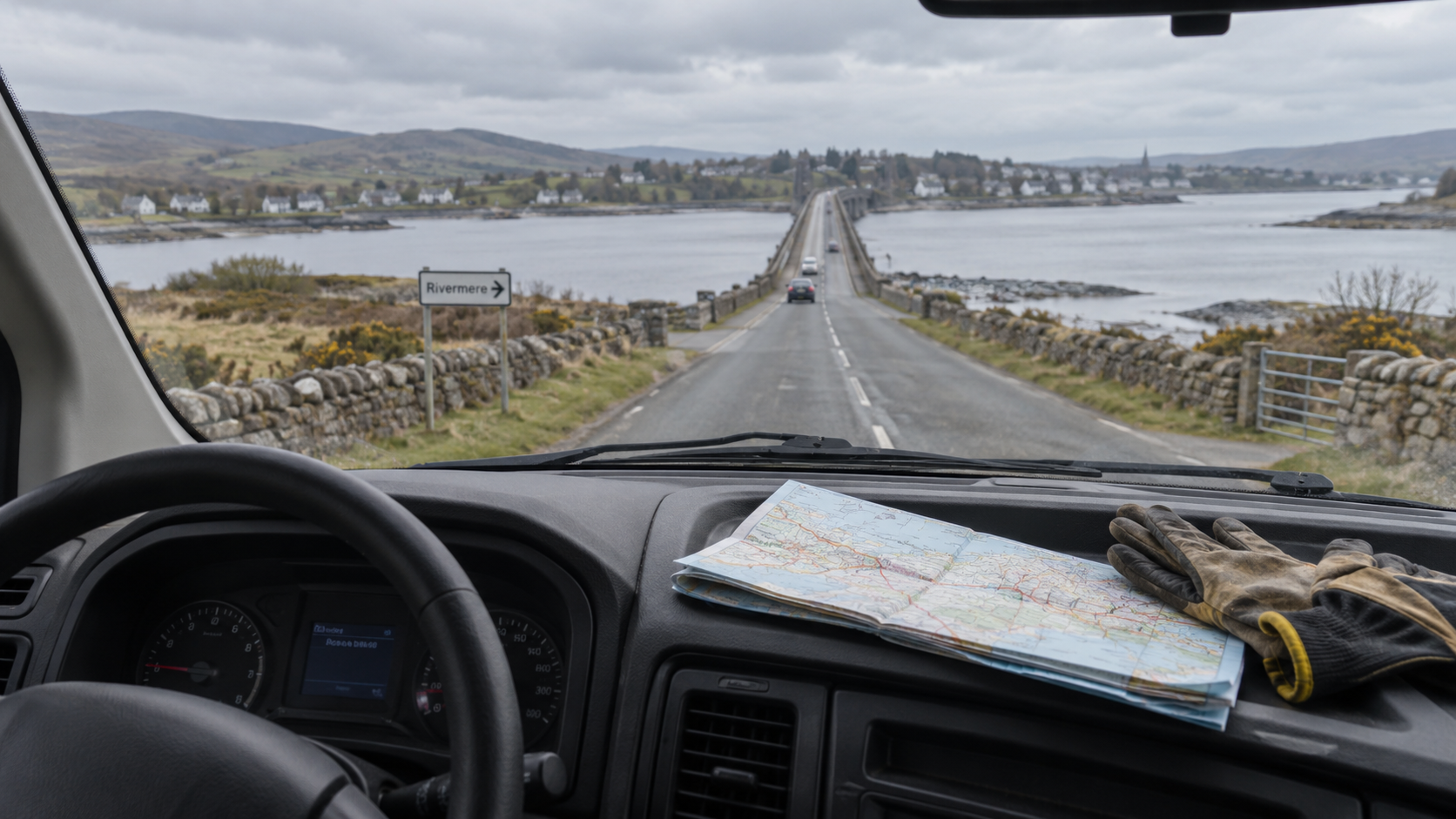
A wider map can produce a very impressive plan for a service team that has no way to make the visits. Put the travel conversation next to the campaign conversation.
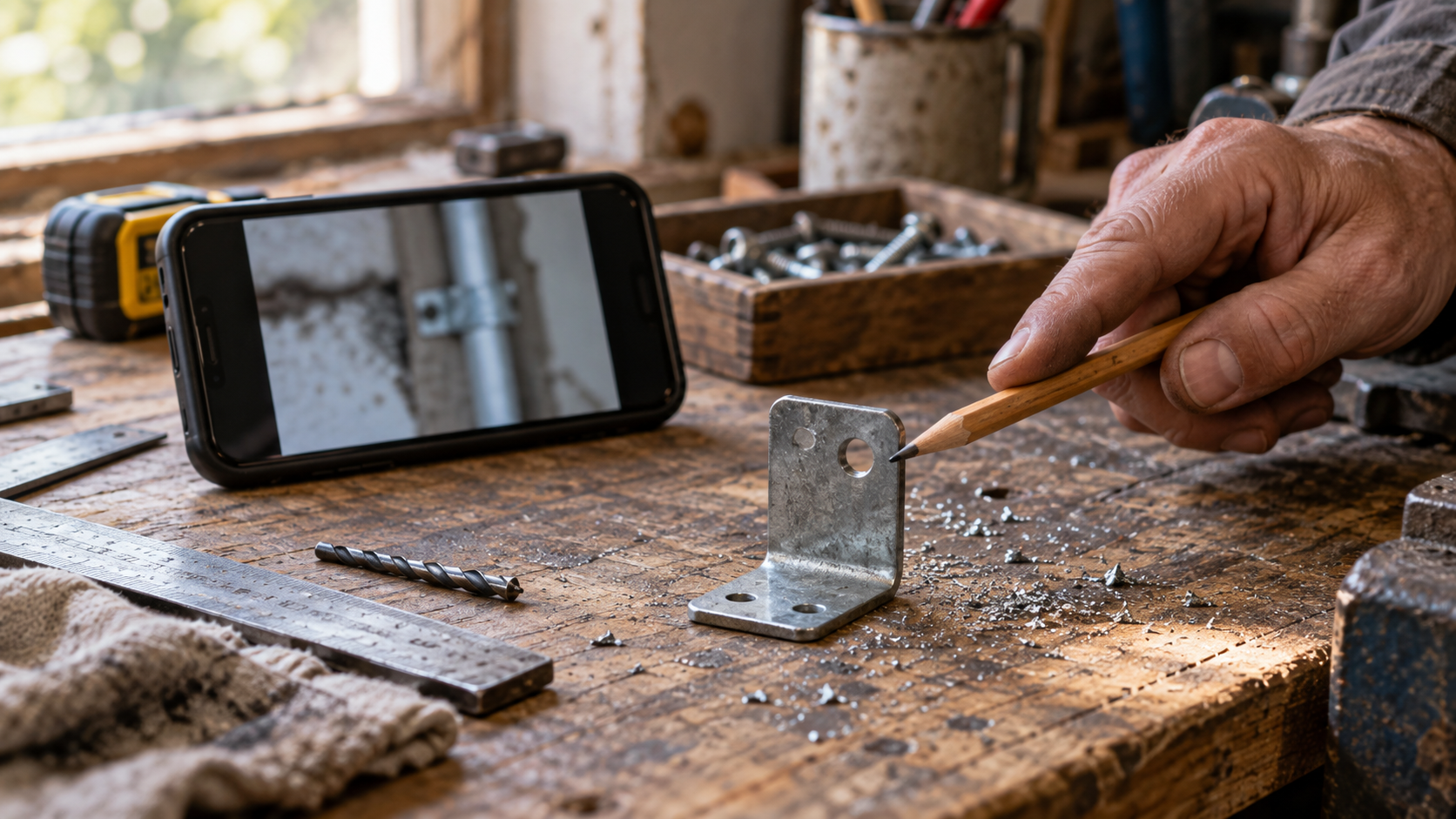
A workshop conversation reminded me that a technical page can be useful without pretending it can diagnose every possible installation.
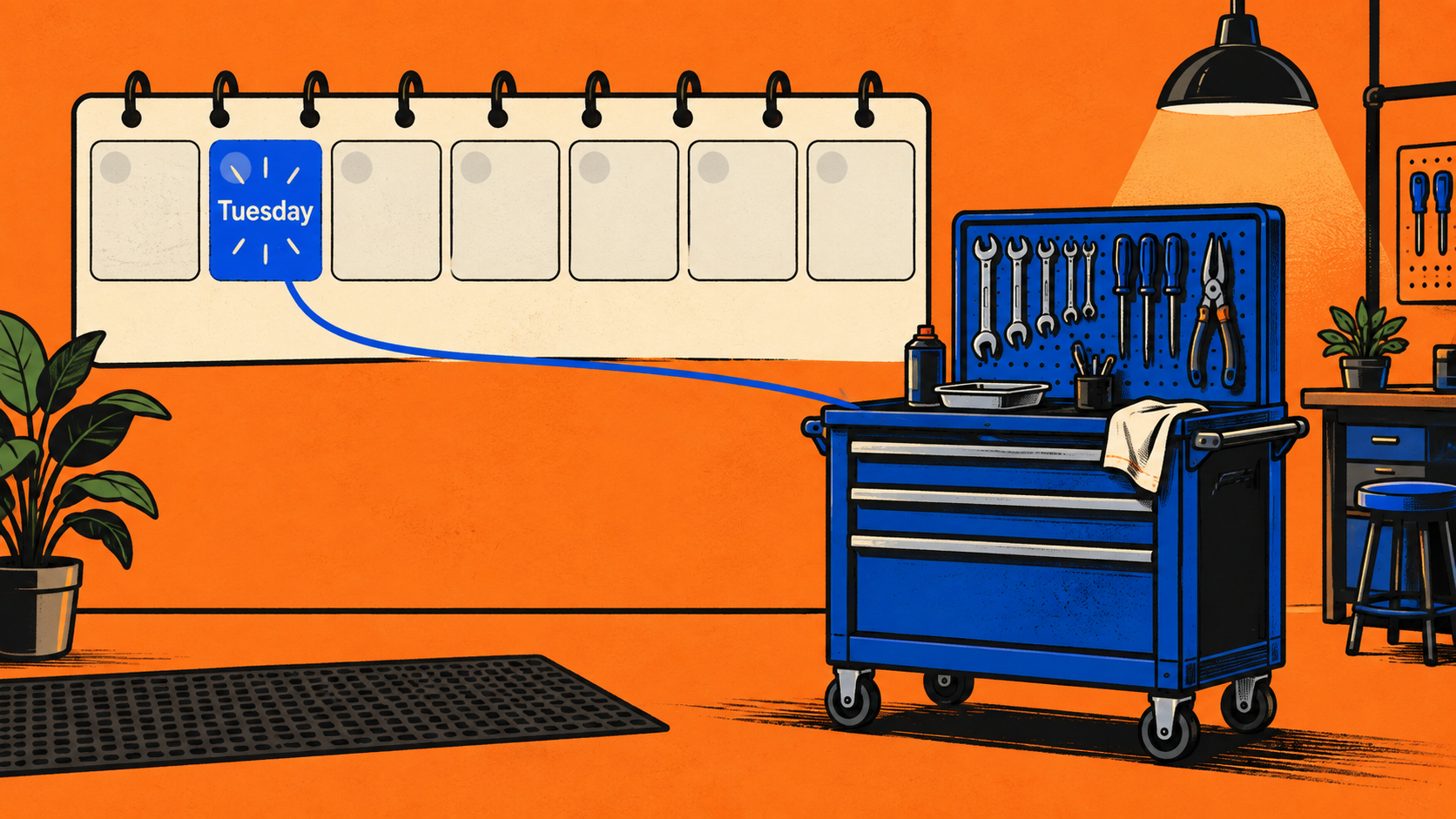
If you only have one day to deliver a specialist service, a campaign should work around that reality instead of manufacturing seven days of disappointment.